
R&D Tax Credits for Startups: Eligibility, Expenses, and How to Claim

Eligible startups can claim the R&D tax credit and recover cash even when they owe no income tax. A qualified small business can apply up to $500,000 of its research credit against payroll taxes each year, turning money spent on product development, engineering, and software work into cash back through lower payroll taxes. If your […]
How CPA Firms Can Offer R&D Tax Credit Services Without an In-House Specialty Team

You don’t need an in-house specialty team to offer clients R&D tax credit services. You just need the right partner, one that handles the technical review, credit study, and documentation while your firm keeps the client relationship. Clients get a well-supported credit, and your firm adds a new service without hiring, training, or taking on […]
What State Section 174 Conformity Means for R&D Credit Filers

State Section 174 conformity determines whether your business can deduct domestic research costs on your state return the same way you now deduct them federally, and the answer changes from one state to the next. New federal Section 174A restored immediate expensing of domestic research and experimental costs for tax years beginning after December 31, […]
R&D Tax Credits for Manufacturing
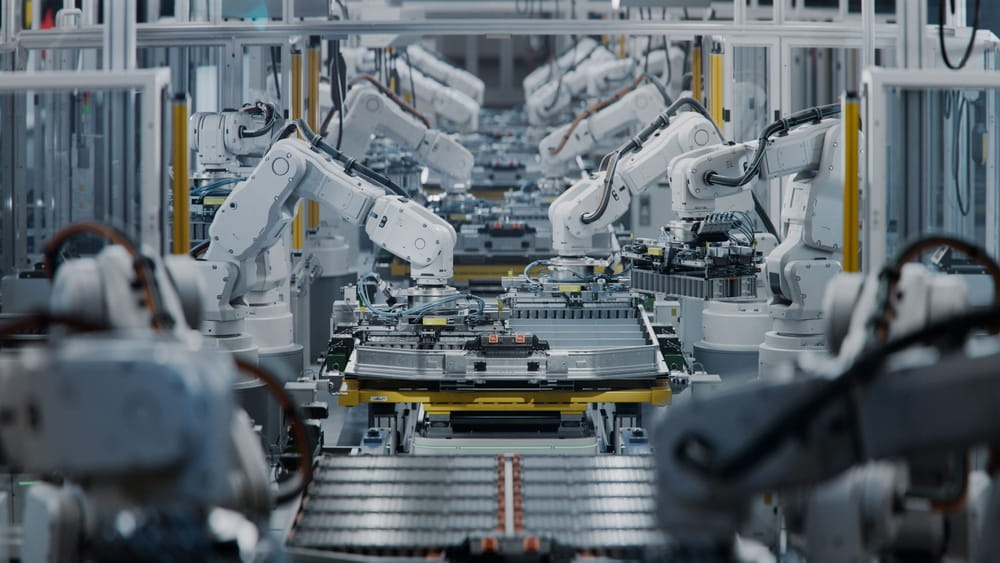
Manufacturers regularly qualify for the R&D tax credit because everyday work on the shop floor and in the design room meets the IRS definition of qualified research. Developing a new product, refining a production process, building prototypes, or integrating new equipment can all involve the technical uncertainty and experimentation the credit rewards. If your team […]
Form 6765 Changes and What the New R&D Disclosures Require

The most significant change to Form 6765 is a new Section G that asks businesses claiming the R&D tax credit to report qualified research expenses (QREs) by individual business components and to split wages into direct research, supervision, and support. Section G is optional for the 2024 and 2025 tax years and becomes mandatory for […]
Using the R&D Tax Credit to Offset Payroll Taxes

If your company is pre-revenue or not yet profitable, you can still benefit from the R&D tax credit by applying it against your payroll taxes instead of income tax. The federal government created this option specifically for early-stage companies that perform qualified research but owe little or no income tax. Through a payroll tax election […]
R&D Tax Credits for Software and Technology Companies

Many software and technology companies qualify for R&D tax credits but never claim them, assuming their work isn’t novel enough to count. The federal R&D tax credit rewards technical problem-solving, not groundbreaking invention. If your team faced a technical uncertainty and worked through it methodically, that work likely supports an R&D claim. Why Software Development […]
Why R&D Tax Credit Studies Should Be Done Every Year

R&D tax credit studies should be done every year because qualifying activities, expenses, and documentation requirements shift annually, and the strongest credit positions are built on contemporaneous records rather than retroactive guesswork. An annual R&D tax credit study keeps documentation current, and prepares your business for the IRS’s expanding reporting requirements, including the recent updates […]
What CPA Firms Should Expect From an R&D Tax Credit Partner

CPA firms should expect an R&D tax credit partner to own the heavy lifting on data gathering, deliver audit-ready documentation, monitor qualifying activity year-round, and keep the CPA firm front and center with the client. Anything less puts the firm and its clients in a weaker position when the IRS asks questions. The right R&D […]
What Qualifies for R&D Tax Credits?

Activities that may qualify for the R&D tax credit involve technical problem-solving aimed at improving a product, process, software application, formula, or technique. The work must rely on hard sciences such as engineering, computer science, biology, or chemistry, and it must involve some level of uncertainty that the team works through using experimentation, testing, or […]